



Blog / Madison Chrysler Inc Service

How Regular Service Can Enhance Your Driving Experience in a Chrysler, Dodge, Jeep, or RAM

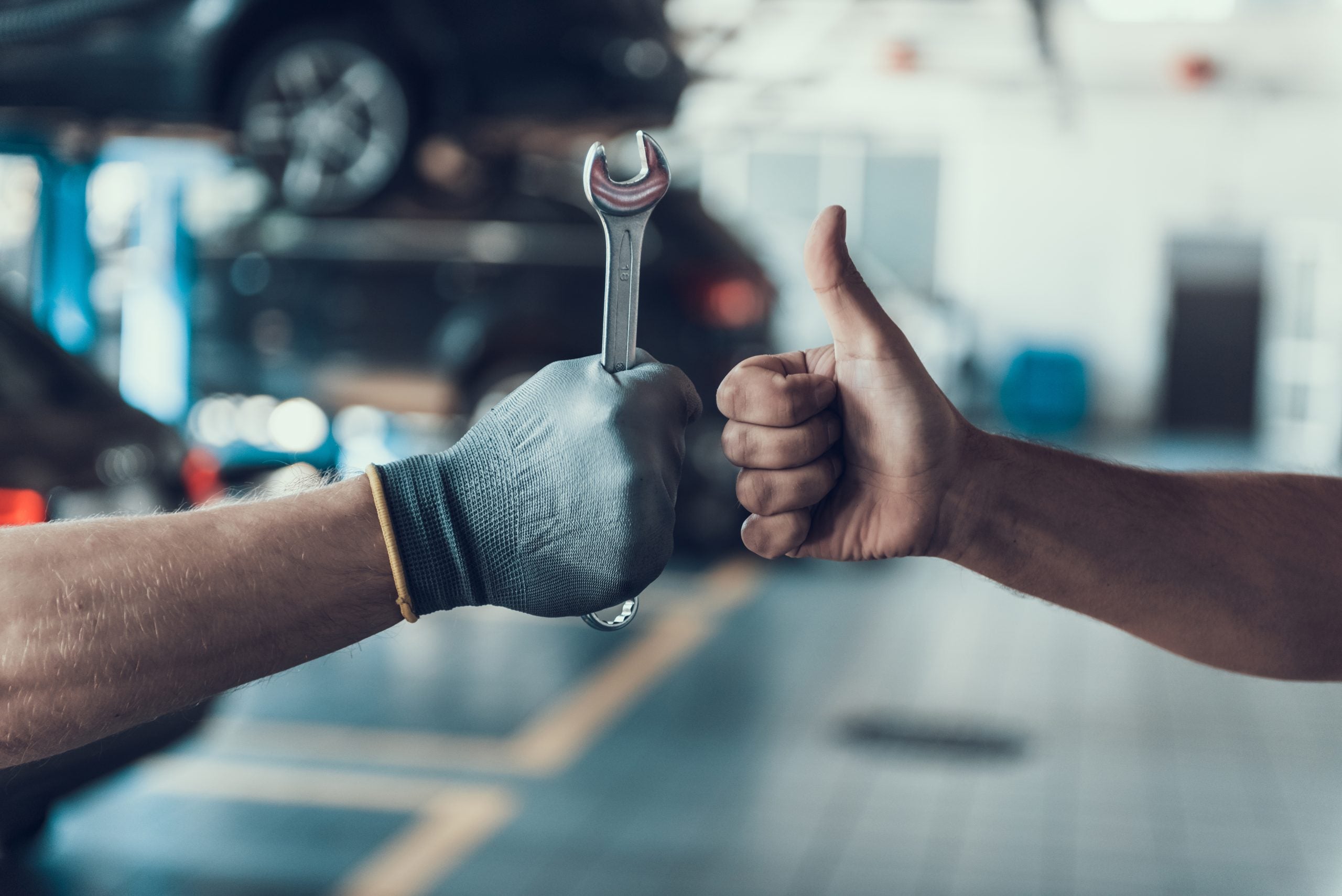
Close-up,Thumb,Up,And,Mechanics,Hand,With,Tool.,Automobile,Master

We all enjoy driving a new CDJR vehicle because it delivers a smooth, thrilling ride. But did you know you can prolong that experience by staying on top of routine car maintenance? Let's look at how getting a regular car service for your Chrysler, Dodge, Jeep, or RAM can elevate your driving experience.

Enjoy Smoother and Quieter Rides

When your tires are out of alignment, your CDJR vehicle tends to pull to one side, leading to vibrations and a bumpy ride. Regular wheel alignments and suspension checks will improve handling and promote a smoother ride. Rotate and inflate your tires regularly to prevent uneven tread wear and maintain that smooth ride you're used to.

Confidence Behind the Wheel

If you don't service your brakes and other critical safety components, you will constantly be worried about something going wrong. Get a comprehensive brake service and change worn brake pads to enjoy confidence and peace of mind. Remember to rotate the tires and replace worn-out ones. Tires with sufficient tread will provide enough grip when you need to brake or steer away from danger.

Keep an eye on your windshield wipers as well. Top up the washer fluid if it's low and replace damaged wiper blades to enjoy clear visibility in any weather.

Get Power When You Need It

When your engine or ignition system isn't properly maintained, your vehicle's power output reduces. You won't get enough passing power, even after flooring the gas pedal. Regular check-ups under the hood will alert you to minor problems before they worsen.

Test your battery, replace worn spark plugs, and inspect the ignition coil for damage. If you notice issues like slow cranks, engine misfires, rough idling, or loss of power, get your CDJR vehicle checked out. With a healthy engine, you can enjoy thrilling drives and get enough passing power on the highway.

No Worries About Unexpected Breakdowns

Failing to maintain your Chrysler, Dodge, Jeep, or RAM comes at a cost. You are constantly worried that the vehicle will break down unexpectedly and leave you stranded. With regular maintenance, you can hit the road with confidence, knowing your car won't let you down.

For example, changing the oil routinely protects the engine from seizing up due to overheating. A quick top-up of essential fluids like the coolant, transmission fluid, and brake fluid keeps crucial systems running smoothly.

How Often Should You Schedule Routine Car Maintenance?

There are no hard-and-fast rules for when to service your vehicle. But you can refer to your owner's manual to find out specific service intervals for things like oil changes, tire rotations, brake services, and transmission checks. Schedule annual tune-ups to make sure all the systems and components are working properly.

Give your vehicle the care it deserves, and hit the road with confidence and comfort. Contact Madison CDJR in Madison, CT to schedule a car service.

Posted in:

Related Posts

synthetic vs conventional oil

The Truth About Synthetic vs. Conventional Oil: Which Is Best for Your Car?

Whether you drive a high-powered truck, a family-friendly SUV, or a sporty sedan, it's important to schedule a routine oil change service to ensure your vehicle is in peak operating condition. Learn why synthetic car oil or conventional oil is best for your ride. Conventional motor oil is made from refined crude oil and serves the purpose of lubricating your engine to prevent damage caused by friction. Synthetic oil, on the other hand, is typically made in a lab and often has specific additives to enhance the performance of your vehicle. In general, conventional motor oil is used in gas-powered vehicles, especially older models, while synthetic oil is commonly found in newer models and performance vehicles. Key Facts About Conventional Car Oil Affordability is the biggest benefit of conventional engine oil. This motor oil is thicker and flows more slowly, so it's ideal for older or larger engines that need more lubrication to prevent damage. This motor oil will typically last for 5,000 to 7,000 miles. more Key Facts About Synthetic Car Oil Synthetic oil is formulated to reduce sludge buildup in the engine, resist heat damage to engine components, and have a thinner viscosity that flows more easily in the motor to improve fuel economy. Turbocharged engines perform ideally with synthetic oil, so many modern vehicles with eco-friendly motors use blended synthetic or fully synthetic motor oil. You can expect this oil to last up to 10,000 to 15,000 miles. When Should You Schedule an Oil Change Service? If your vehicle was made in the last few years or has a turbocharged engine under the hood, you can schedule oil service every six months or so. Older vehicles with larger motors may need oil service every three months to maintain ideal performance. For most vehicles, you should change your engine oil every six months since motor oil degrades over time, even when you don't drive your vehicle frequently. You should schedule oil service when the check engine oil light turns on. It's a good idea to book service in preparation for a long trip, after you return from a trip, or to weatherize your vehicle for seasonal changes. You should also schedule service if you notice unusual leaks, loud engine noise, smell oil in the cabin, or see excessive exhaust smoke. A change in gas mileage is also a sign that your vehicle needs fresh oil. Your owner's manual will indicate whether conventional or synthetic oil is best for your vehicle, as well as the recommended oil change interval to support your vehicle's performance. Get in touch with Madison Chrysler Inc in Madison, CT to book oil service today.

fuel efficiency

How to Maximize Fuel Efficiency with Your CDJR Vehicle

Everyone wants to save money on car fuel, and you can enhance your fuel efficiency with a few of the following tips. 1. Use the Right Car Fuel While most modern cars can easily use the cheapest fuel available at the gas station, you'll actually get the best efficiency overall by making sure you're using the right fuel for your CDJR vehicle. Sometimes, E85 fuel results in lower efficiency, though not always. It greatly depends on your vehicle, what year it is, and what fuel it was designed to run on. Check your owner's manual to learn more. more 2. Keep Up With Maintenance The maintenance you do on your vehicle, particularly oil changes and swapping out oil and engine air filters, make a significant difference to your fuel economy. But the state of your tires, how your brakes work, whether the car is aligned and balanced, and even the quality of your transmission fluid can all influence your efficiency over time. Take your vehicle in to your CDJR dealer whenever necessary to get the proper maintenance. 3. Drive Smart Speeding and roaring off stops as quickly as possible waste fuel. You'll get the best efficiency driving at lower speeds and by building speed gently from a stop and slowing gradually whenever possible. Bear in mind, of course, that if you're at a crowded intersection with long lights that you should not annoy and delay everyone behind you who needs to get through by slowly coasting forward just to save a few cents. But whenever it's polite and possible, take it easy on that gas pedal. 4. Lighten Up Lots of us are carrying around a bunch of things in our vehicles that we don't actually need. We do this because it doesn't seem to matter: cars, trucks, and SUVs tend to have lots of room, so what's the harm in just leaving something in there? Every pound of weight that you carry in your vehicle diminishes your efficiency by a small percentage. You've likely noticed that you get worse gas mileage when every seat is full and the vehicle is loaded up with luggage, right? Even the things you're carrying around in trunk or between the seats matters, though. Take a look in your vehicle and make sure there isn't some junk in there, particularly heavy junk, that doesn't need to be riding with you on every errand. There are more things that can help you get the best efficiency out of your vehicle, and we can tell you more that will be specific to your make and model when you come talk to our factory-trained technicians. Come see us at Madison Chrysler Inc here in Madison, CT today.

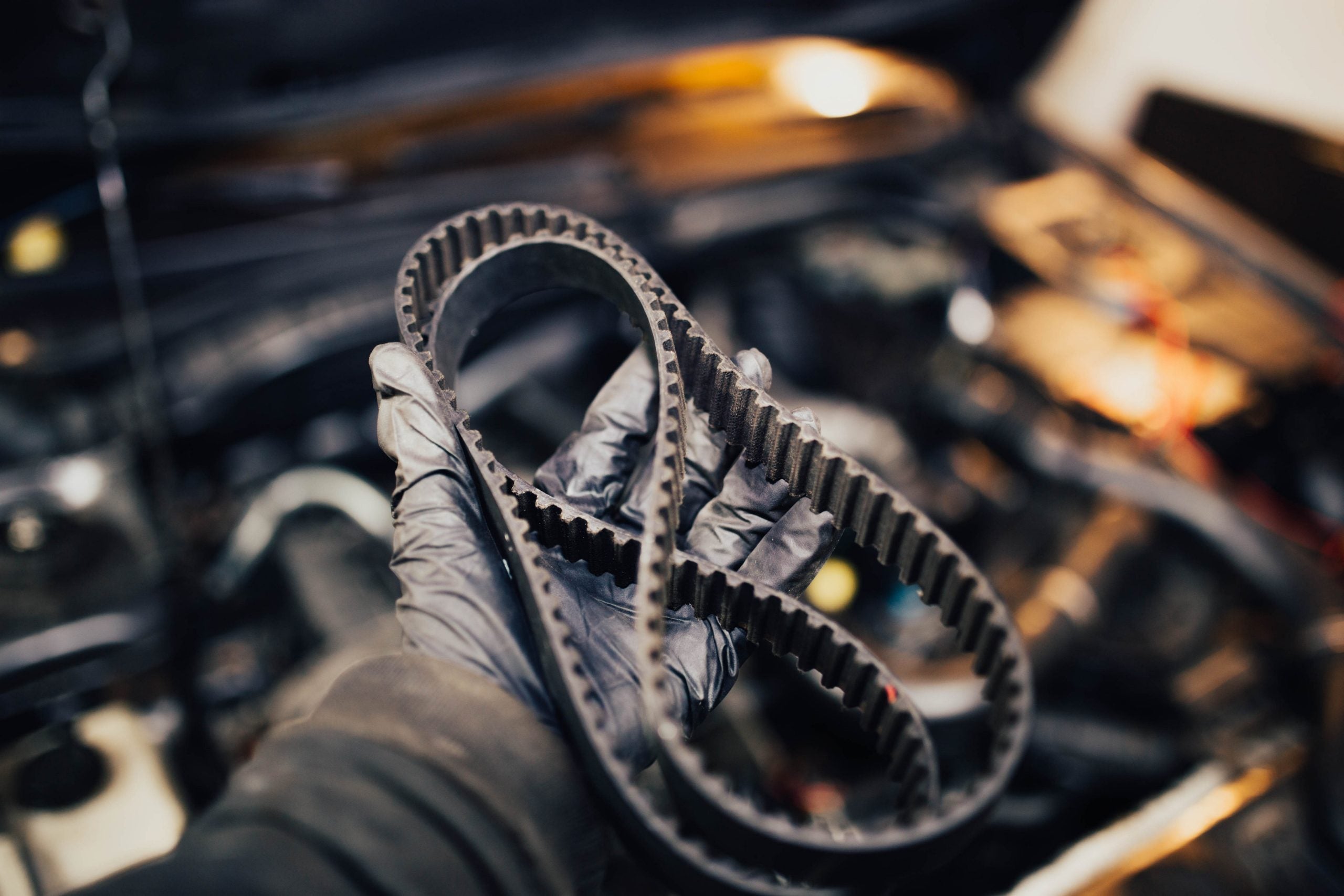
Automotive,Timing,Belt,In,The,Hand,Of,An,Auto,Mechanic.

The Importance of Timely Belt and Hose Inspections

There are many belts and hoses that are critical to the operation and function of your vehicle, which is why it is so important to get a car belt and hose inspection. Many of these belts are connected to your engine, providing power to the rest of the car. Car belt wear can cause the vehicle to stall, a loss of power, engine damage, and much more. Read on to learn more about car belt and hose care. When Should You Get a Car Belt and Hose Inspection? Checking your belts and hoses should be a part of your routine maintenance. The professionals at your dealership can check the belts and hoses inside the vehicle. The trained technicians at the service department can visually inspect the belts and hoses for misalignment, cracking, fraying, and wear. This can be done during your regular oil change intervals. more Car Belt Wear The belts inside your vehicle include, but are not limited to, the drive belt, timing belt, and serpentine belt. These belts are responsible for the power transfer from the engine to other components. When the belts are damaged, broken, or worn, you can have multiple systems fail, causing overheating, electrical malfunctions, loss of power, and more. The timing belt helps to turn the car's crankshaft and camshaft, keeping them in sync. Your car will not run at all without a timing belt. If you hear the belt break while you are driving, pull over immediately. During your regular maintenance checks, make sure the technicians let you know the condition of your timing belt. Depending on the wear and tear of the belt, you should have it swapped out every 60,000 to 100,000 miles. Car Belt and Hose Care Belts and hoses don't function in isolation. When these parts aren't working correctly, they strain the engine and can reduce the effectiveness of your cooling or braking system. The health of the belts and hoses inside the vehicle impacts the performance and many vital components inside the engine compartment. Regular maintenance will ensure they don't cause damage or other significant issues. Belts are engineered and built to last for roughly 60,000 to 100,000 miles. Your car's hoses should be replaced on average every four years. These numbers can go up or down depending on the vehicle, driving conditions, and even the climate where you live. The professionals at our CDJR dealership will be able to monitor the health of your car's belts and hoses and recommend appropriate replacement intervals. The belts and hoses inside your car are vital to the health and performance of your engine. Make sure they are in good condition. Call us at Madison Chrysler Dodge Jeep RAM in Madison, CT, to schedule your next maintenance appointment with the certified technicians in our service department today.