



There are many belts and hoses that are critical to the operation and function of your vehicle, which is why it is so important to get a car belt and hose inspection. Many of these belts are connected to your engine, providing power to the rest of the car. Car belt wear can cause the vehicle to stall, a loss of power, engine damage, and much more. Read on to learn more about car belt and hose care.
When Should You Get a Car Belt and Hose Inspection?
Checking your belts and hoses should be a part of your routine maintenance. The professionals at your dealership can check the belts and hoses inside the vehicle. The trained technicians at the service department can visually inspect the belts and hoses for misalignment, cracking, fraying, and wear. This can be done during your regular oil change intervals.
Car Belt Wear
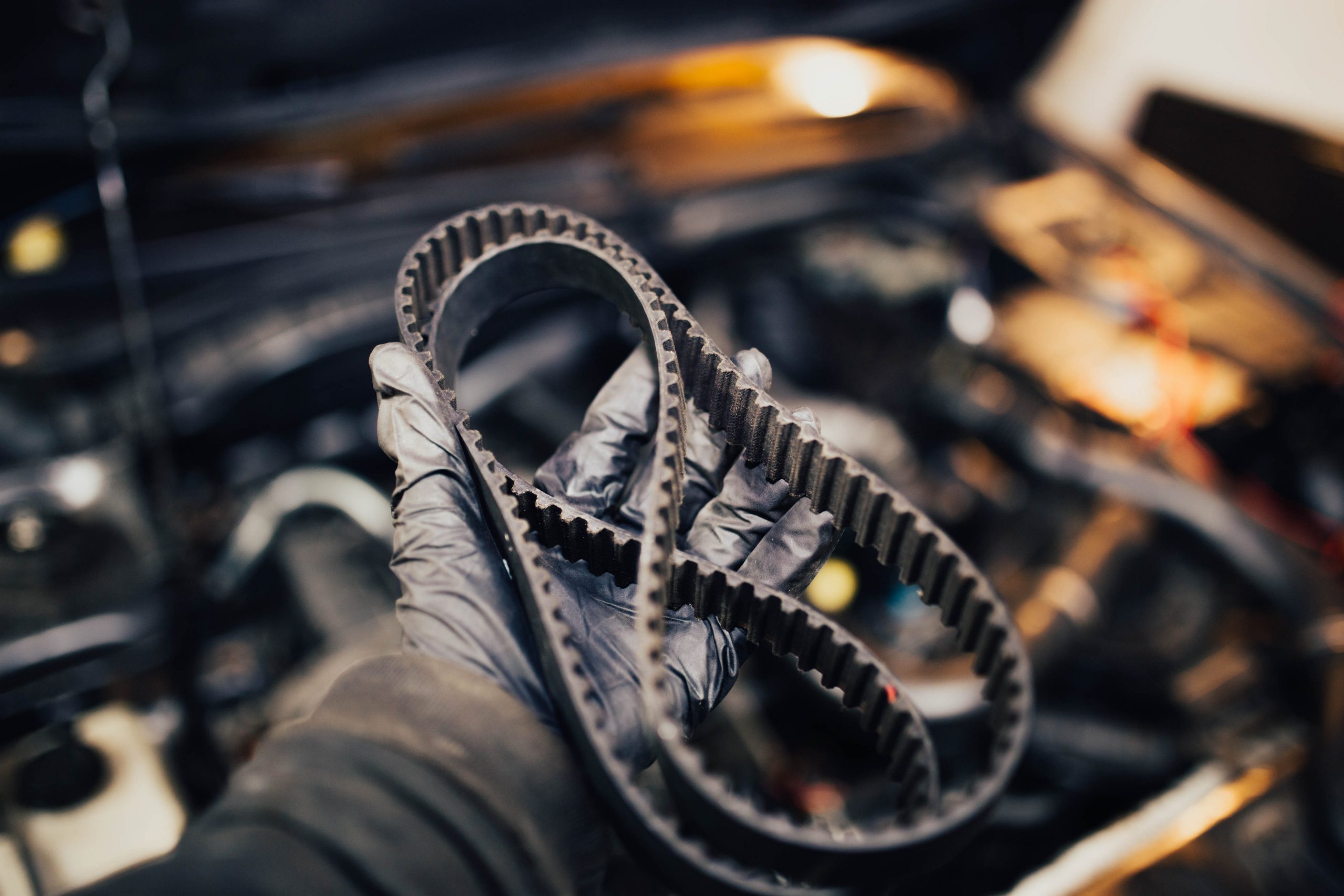
The belts inside your vehicle include, but are not limited to, the drive belt, timing belt, and serpentine belt. These belts are responsible for the power transfer from the engine to other components. When the belts are damaged, broken, or worn, you can have multiple systems fail, causing overheating, electrical malfunctions, loss of power, and more.
The timing belt helps to turn the car’s crankshaft and camshaft, keeping them in sync. Your car will not run at all without a timing belt. If you hear the belt break while you are driving, pull over immediately. During your regular maintenance checks, make sure the technicians let you know the condition of your timing belt. Depending on the wear and tear of the belt, you should have it swapped out every 60,000 to 100,000 miles.
Car Belt and Hose Care
Belts and hoses don’t function in isolation. When these parts aren’t working correctly, they strain the engine and can reduce the effectiveness of your cooling or braking system. The health of the belts and hoses inside the vehicle impacts the performance and many vital components inside the engine compartment. Regular maintenance will ensure they don’t cause damage or other significant issues.
Belts are engineered and built to last for roughly 60,000 to 100,000 miles. Your car’s hoses should be replaced on average every four years. These numbers can go up or down depending on the vehicle, driving conditions, and even the climate where you live. The professionals at our CDJR dealership will be able to monitor the health of your car’s belts and hoses and recommend appropriate replacement intervals.
The belts and hoses inside your car are vital to the health and performance of your engine. Make sure they are in good condition. Call us at Madison Chrysler Dodge Jeep RAM in Madison, CT, to schedule your next maintenance appointment with the certified technicians in our service department today.
Connect with us

Recent Blog Entries
- HeavyDuty Features, Everyday Value: Inside the 2026 RAM 2500
- The Ultimate Guide to CDJR Winter Driving Technologies
- Why the 2026 Chrysler Pacifica Is the Minivan to Buy This Holiday Season
- Gear Up for Winter With the 2026 Jeep Wrangler — Here’s What You Should Know
- The Benefits of Owning a Chrysler Pacifica for Families in Madison, CT